


Weak branch attachment
Usually means: Weakly attached branches can be vulnerable to breakage under load.
What we look at: Assess the branch attachment and whether the tree is suitable for a support system.
Tell us what you need done, you'll get a straight answer and a free estimate in Wichita.
Questions Welcome
A call is the quickest way to describe it, and there's no obligation.

No obligation
Call (316) 370-4643What happens next
Before anyone picks up a saw, we walk the yard. We look up for overhead lines and damaged limbs, check which way the tree leans, and note the house, the fence and any soft ground underneath. That's how Tree Group of Wichita starts every job, from a single trim to a full removal. This page is the short tour, and the pages it links to carry the detail.
The walk-around comes before the price. We look for power lines and for limbs that are already cracked, hanging or dead. We check the lean, because a tree that has shifted toward your roof is a different job than one standing straight. We note what's nearby: the house, outbuildings, fences, the street and the traffic on it. We also check the ground, since soft or unstable soil changes how we can work around the base.
The tree's own health and structure decide whether it can safely take a climber's weight, rigging loads or cutting forces. A drive-by quote can't cover that. A tree that looks fine from the street can be a poor place to hang a rope, and we'd rather learn that on the ground than in the canopy.
The median house in Wichita was built in 1974, and about a third of the homes date from 1940 through 1959. Trees that grew up alongside those houses are mature now, and many stand close to the roof. In tight yards, planning how each piece comes down takes longer than the cutting.
Roofs here vary. A neighborhood like College Hill has gable, hip, flat and gambrel roofs, covered in asphalt shingles, clay tile, wood shakes or slate, over siding that runs from wood lap and brick to stucco, cedar shake and stone. A limb dropped on slate or clay tile is not the same problem as one over asphalt shingles, so we decide how each piece comes out, and what protects the house, before it's cut.
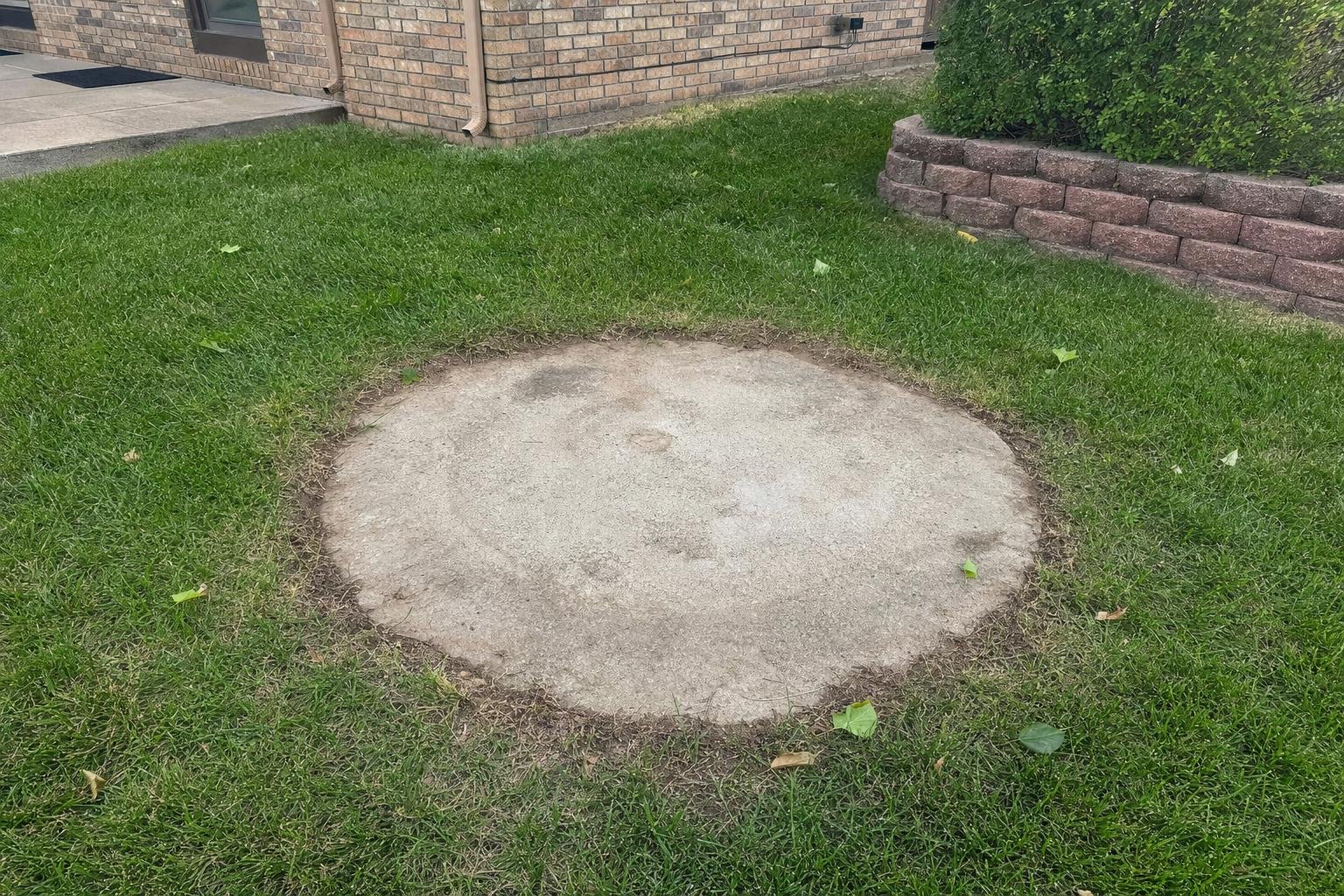
Most calls fall into a few routes. Trimming keeps growth off the roof, wires or walkways. Pruning is more selective, shaping and thinning a tree for its health and structure. An arborist assessment is for when you're not sure what's wrong, whether that's a lean, dead wood, or a tree you're worried about. Removal is for trees that are dead, failing or too close to something to be safe, and stump grinding is the follow-up when you want the stump gone too.
We also work on commercial properties, where the same site walk applies with more attention to traffic and people nearby. If a storm has dropped a limb on your house or yard, tell us it's urgent when you call. Wood from a removal doesn't have to become a pile you're stuck with, so bring up firewood when we quote. Each service has its own page.
Three things move the price more than anything else: the size of the tree, how hard it is to get to, and how much cleanup the job needs. A big tree over a roof with no room for equipment costs more than a small one in an open yard. Hauling everything away costs more than leaving the wood.
The written quote follows the site walk, so the figure reflects the tree you actually have and what's around it. Some jobs that sound like removals turn out to need only a trim, and the assessment sorts that out. Our cost page explains how the pieces add up.
Permit and inspection requirements vary with the tree and the lot. If something might apply to your job, we'll tell you when we quote so you don't find out later.
A job runs in a straight line: site walk, tree assessment, written quote, the work with the house and yard protected, then cleanup. Our pages on warning signs, cost and process cover each step. If you already know something's wrong, call us.
These ranges are here to help you budget, and the final price goes in writing before anything starts.
$400–$1,100
$350–$725
$100–$450
Representative photos grouped by service, to help you picture the options.
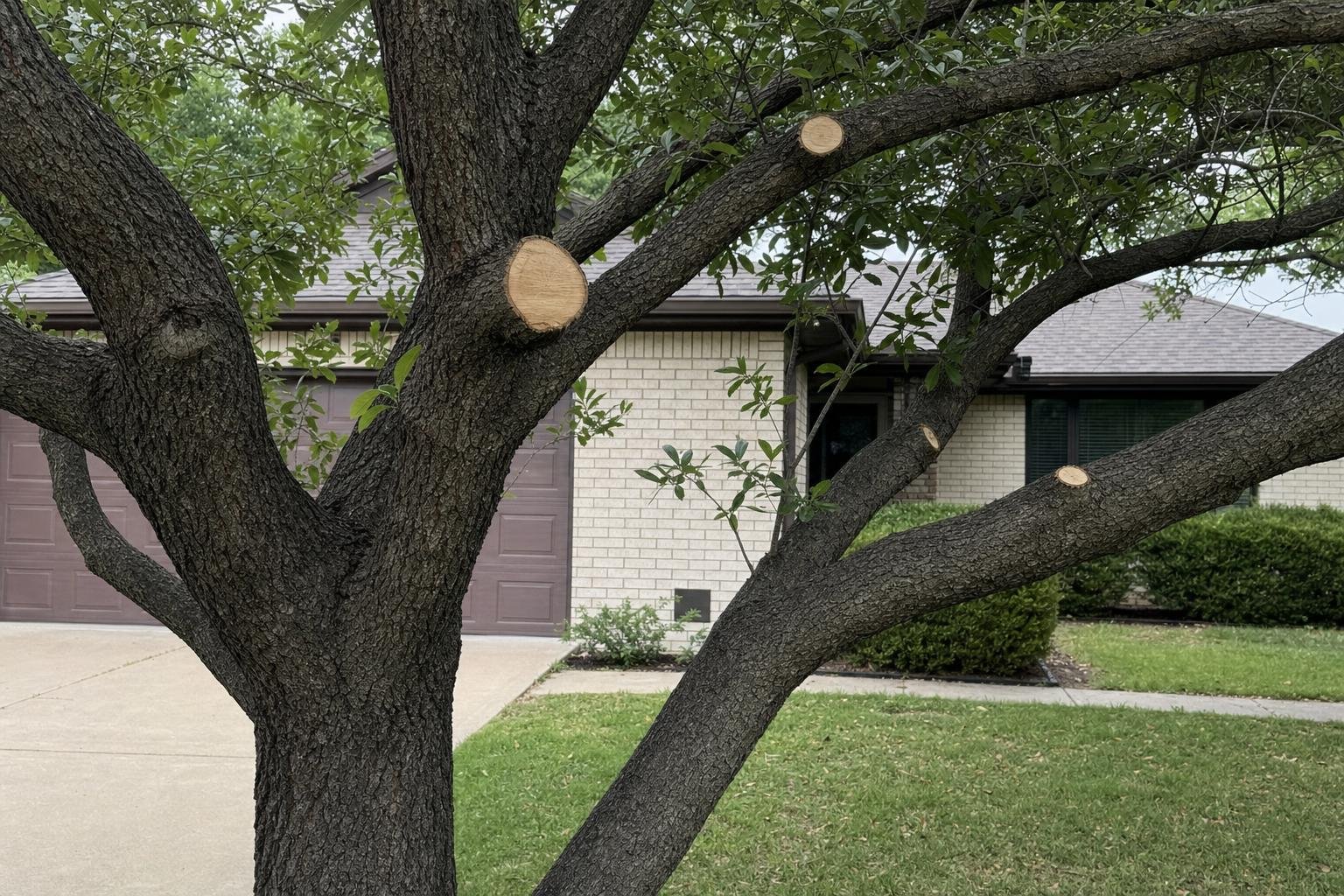
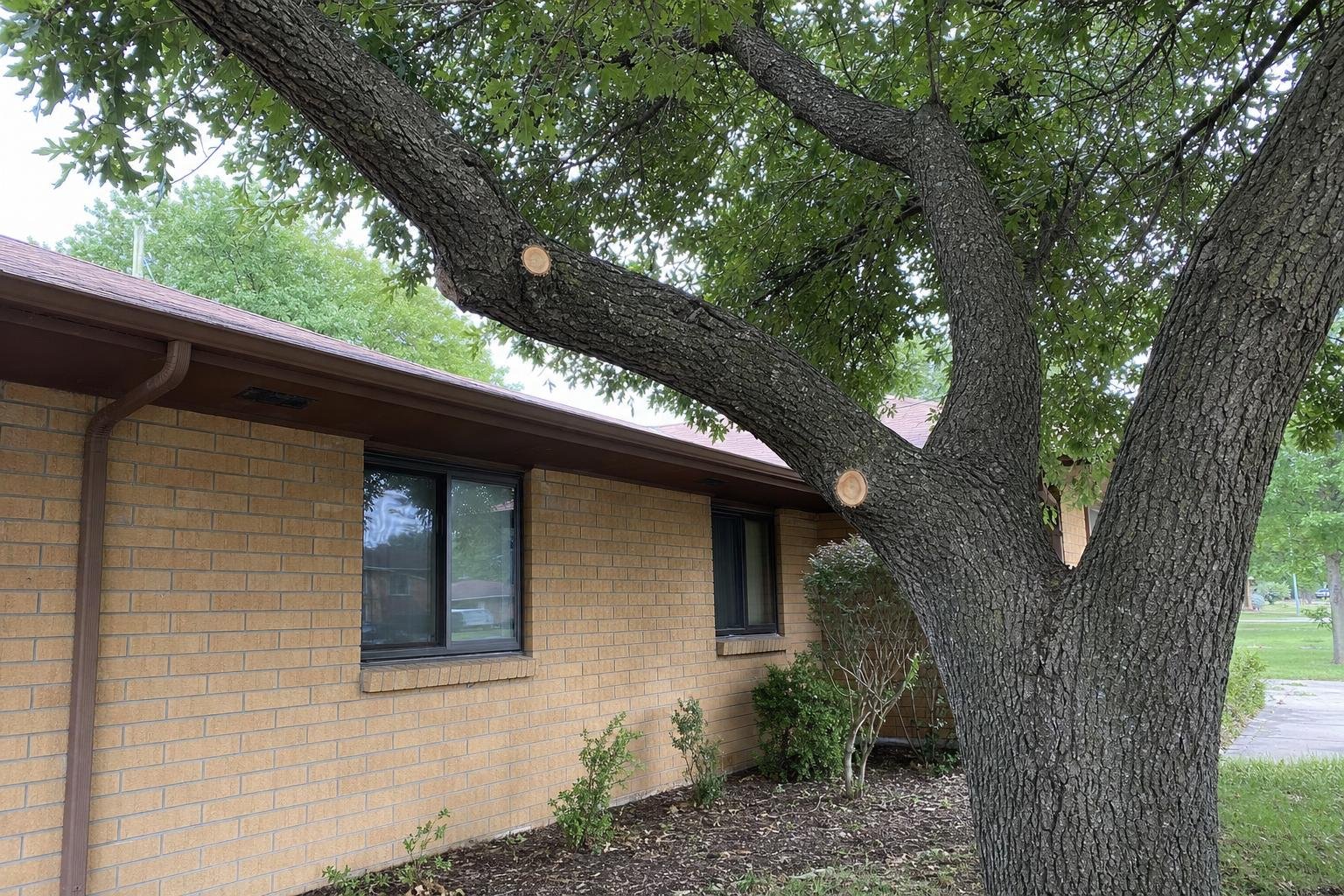
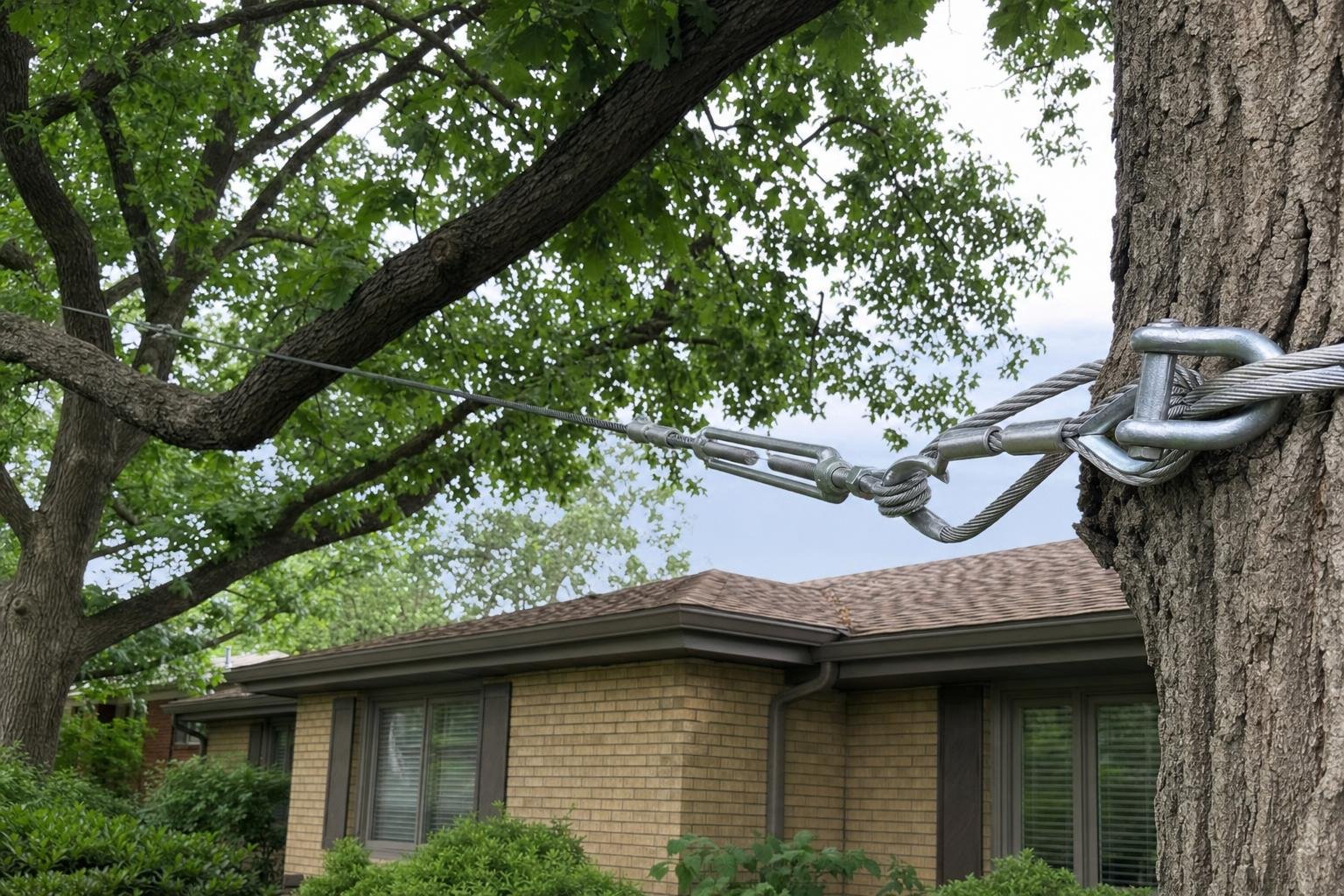
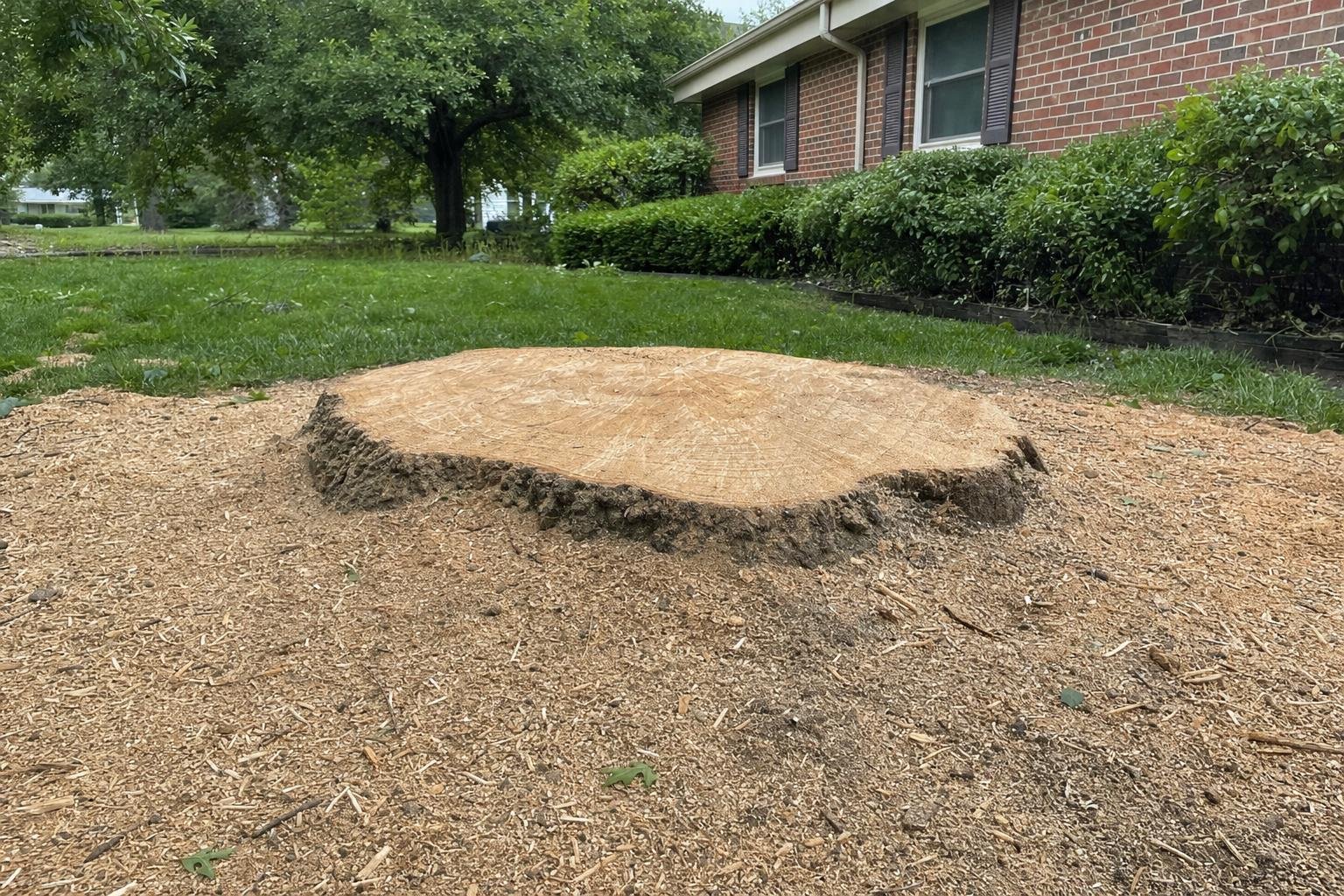
We check before we recommend anything; here's what that looks like.
Usually means: Weakly attached branches can be vulnerable to breakage under load.
What we look at: Assess the branch attachment and whether the tree is suitable for a support system.
Usually means: Branches may have grown into a space where they interfere with a structure.
What we look at: Inspect branch clearance and the pruning needed to address the obstruction.
Usually means: Branches may be dead, diseased, weakened, or damaged by a storm.
What we look at: Inspect the affected branches and their attachments.
Usually means: A pronounced lean can signal a stability problem, and root disturbance, decay, or weak attachments can contribute to tree failure.
What we look at: Inspect the lean, root area, trunk, and major branch attachments.
A short guide to which one fits which situation.
From the first conversation on, this is the order things happen in.
A two-minute call is enough to tell us what the job is and what it involves.
We come out and look at the space so the quote is real, not a guess.
We put the work, the timeline, and the number on paper before any work starts. No surprises.
We do the work and check it, and we walk you through what was done.
Serving Wichita, KS and the nearby communities, Derby, Andover, and Haysville among them. Call (316) 370-4643 to confirm we reach your neighborhood.
That makes 7 communities in all.
No obligation
Call (316) 370-4643What happens next
Questions Welcome
One phone call is enough to get going, and you decide what happens next.